Must-have equipment to craft your ultimate home coffee haven
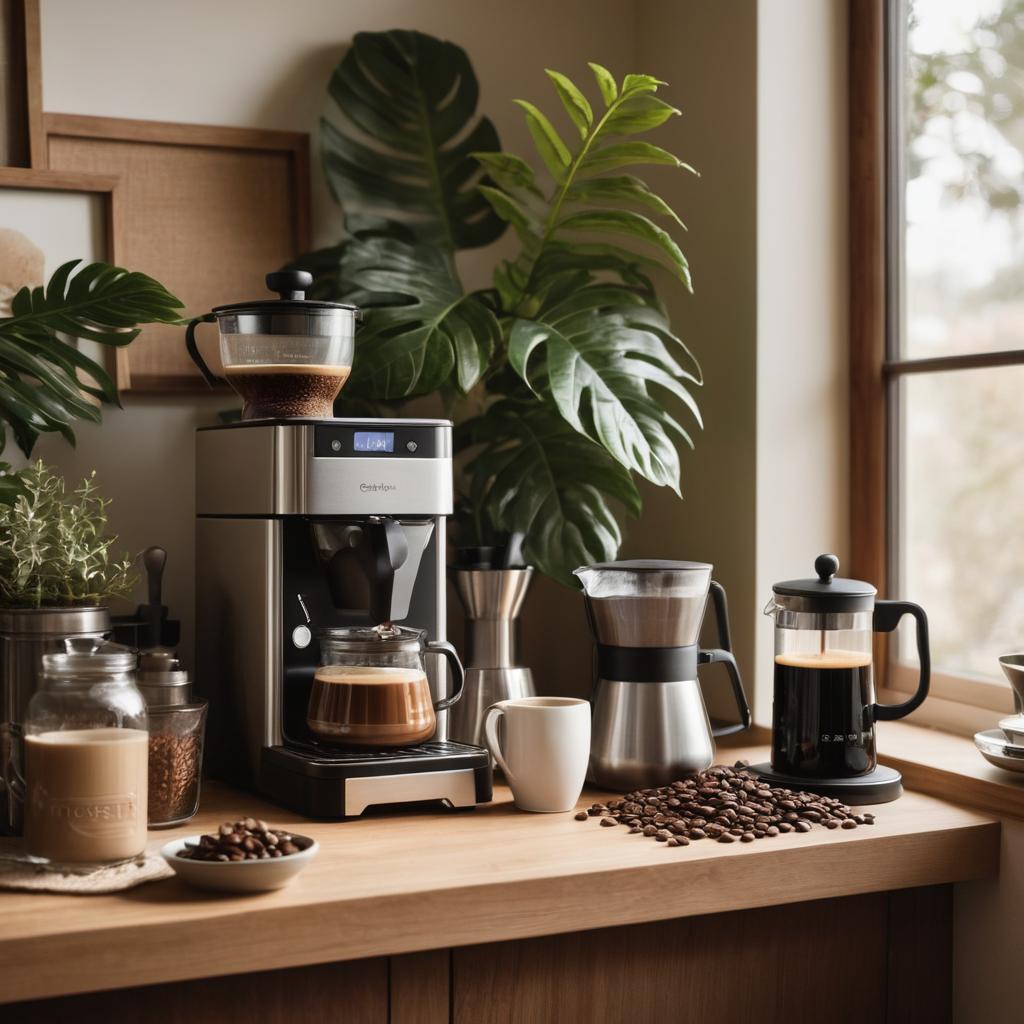
DIY Coffee Bar: Must-Have Equipment to Craft Your Ultimate Home Coffee Haven
Introduction: The Rise of the Home Coffee Experience
In an age where convenience and the pursuit of personalization go hand in hand, the trend of creating a DIY coffee bar at home has gained significant momentum. With the global coffee culture promoting a deeper appreciation for artisanal brews, many enthusiasts are now pivoting towards crafting their own coffee experiences. The traditional coffee routine—grabbing a cup from a café on the way to work or sipping instant brews at home—has become rather mundane for many. Instead, a DIY coffee bar transforms the everyday coffee ritual into an engaging and customizable experience that reflects personal tastes and preferences.
The COVID-19 pandemic acted as a catalyst in this transition. As people found themselves confined to their homes, the quest for comfort, self-care, and leisure activities escalated, prompting them to explore new hobbies. Coffee brewing emerged as one of these pastimes. Moreover, many individuals discovered that they could save money while indulging their love for coffee by creating an elaborate home setup. In this article, we will delve into the essential equipment required to establish your own coffee haven and explore the implications and future of this burgeoning trend.
Crafting Your Coffee Sanctuary: Essential Equipment for Every Coffee Lover
Creating a sophisticated home coffee bar calls for a curated selection of equipment that aligns with various brewing methods, personal taste preferences, and overall aesthetics. The following is a comprehensive guide to the must-have equipment pieces that will elevate your coffee game from ordinary to extraordinary.
1. High-Quality Coffee Beans
One could argue that no coffee bar can truly flourish without the foundational element: high-quality coffee beans. The choice between choosing whole beans or pre-ground coffee can significantly impact the flavor of your final brew. Whole beans allow for fresher taste through grinding immediately prior to brewing, while pre-ground options are more convenient. Explore single-origin coffees from different regions, noting the distinct flavor profiles that each locale provides. With an overwhelming number of artisanal coffee roasters emerging, there’s a wealth of options to choose from, ensuring that preferences for flavor, aroma, and acidity are met.
2. A Reliable Coffee Grinder
Once you’ve secured the right beans, a reliable coffee grinder is essential to unleash the full flavor potential. A burr grinder is often preferred over a blade grinder, as it provides a consistent grind size, which in turn translates into an even extraction during brewing. Investing in a good grinder is paramount, as it contributes to the overall taste and aroma of your coffee. Those who enjoy experimenting with different brewing methods may also benefit from a grinder with multiple settings, allowing for precise control over grind size.
3. Brewing Equipment: Choose Your Method
Determining your preferred brewing method is pivotal in shaping the character of your coffee bar. Here are some popular options:
a. Espresso Machine
An espresso machine offers a luxurious, café-like experience at home, producing rich, concentrated coffee shots. While some high-end machines can be quite pricey, there are various models catering to different budgets. An entry-level machine paired with a quality grinder can yield impressive results, ideal for crafting lattes, cappuccinos, and other espresso-based drinks.
b. French Press
For those who appreciate a more hands-on approach, the French press is an iconic choice. It allows for steeping coarsely ground coffee, resulting in a full-bodied cup of coffee with rich flavors. The simplicity and affordability of the French press make it a popular option among coffee enthusiasts.
c. Pour-Over Systems
Pour-over systems, such as the Chemex or V60, have gained a loyal following for their ability to enhance the coffee experience. This method provides exquisite control over the brewing process, allowing users to adjust variables such as water temperature and pouring speed. As a result, those who are serious about flavor nuances often favor this technique.
d. Cold Brew Setup
With the rising popularity of cold brew, investing in a dedicated cold brew coffee maker is a must for a well-rounded coffee bar. This method requires coarsely ground coffee to steep in cold water over an extended period, delivering a smooth, low-acid coffee concentrate, perfect for warm-weather refreshment.
4. Accessories to Enhance the Experience
In addition to the core equipment, several accessories can enhance both the functionality and visual appeal of your coffee bar.
a. Scale and Thermometer
Precision is essential in coffee making; therefore, a digital scale and thermometer are invaluable. Measuring coffee and water ensures consistent results, while monitoring brewing temperature contributes to optimal extraction.
b. Milk Frother
For coffee lovers who enjoy milk-based drinks, a milk frother or steam wand becomes a game-changer. These tools allow for creating velvety frothed milk, essential for crafting beautiful lattes and cappuccinos.
c. Steam Pitcher and Tamping Mat
If you’re serious about espresso, consider investing in a steam pitcher for milk frothing and a tamping mat to ensure that coffee grounds are evenly compressed before extraction. These accessories not only add a professional touch to your setup but also contribute to better results.
d. Coffee Storage
Properly storing your coffee beans is crucial for maintaining their freshness and flavor. Airtight containers designed for coffee storage protect beans from air, moisture, and light, ensuring they maintain their peak taste for as long as possible.
5. Aesthetic Elements: Designing Your Coffee Bar
Beyond functionality, the aesthetic appeal of your coffee bar is vital in creating an inviting atmosphere. Invest time in selecting furniture, such as a dedicated coffee station or cart, complemented by decorative elements like curated coffee-related art, personalized mugs, or decorative jars for sugar and spices. Incorporating plants or greenery can also bring a soothing aspect to the space, creating a delightful and breathable environment.
The Future of Home Coffee Bars: Trends, Innovations, and Cultural Shifts
As we speculate about the future of DIY coffee bars, it is evident that the integration of technology will further revolutionize the coffee experience at home. Smart coffee machines, equipped with Wi-Fi connectivity, app integration, and programmable settings, are beginning to emerge on the market. These innovations enable coffee enthusiasts to customize their brewing process, monitor water temperature, and schedule brews remotely—all from the convenience of a smartphone.
Moreover, the trend towards sustainability is influencing coffee consumption patterns. As consumers become increasingly aware of the environmental impact of their choices, there is a growing interest in sustainably sourced coffee beans and eco-friendly brewing tools. The DIY coffee bar can also be aligned with zero-waste principles through practices such as composting used coffee grounds, minimizing single-use items, and choosing reusable filters.
Culturally, the home coffee bar is becoming more than just a brewing station; it is evolving into a communal space for connection. As more people prioritize self-care, the coffee ritual can serve as a moment of mindfulness and a way to bond with family and friends. With the rise of virtual coffee meetups and shared experiences, your DIY coffee bar can become an inviting hub for connection in a digital age.
Conclusion: Your Coffee Haven Awaits
Building your own DIY coffee bar is not just about the equipment; it’s an opportunity to express individuality, embrace creativity, and elevate the everyday experience of brewing coffee. By curating the necessary tools that align with your preferences and investing in the aesthetics, you can create a true coffee sanctuary that transcends mere functionality. As the future unfolds, the DIY coffee bar model will likely continue to gain popularity, pushing the boundaries of innovation while deepening our appreciation for this beloved beverage.
So, gather your essentials, refine your brewing skills, and embark on a journey towards crafting your ultimate home coffee haven. Every cup brewed can become a celebration—of flavors, of experiences, and of cherished moments shared with loved ones. Your coffee haven awaits, inviting you to explore and indulge in the rich world of coffee right in your own home.
Congratulations on this excellent article! As an economics professor who has spent years studying consumer behavior, I couldn’t agree more that creating a DIY coffee bar at home is not just about the equipment, but also about expressing individuality and embracing creativity. From my own experience, I would add that investing in high-quality coffee beans and a reliable grinder is crucial to unlocking the full flavor potential of your coffee. Additionally, experimenting with different brewing methods and techniques can help you develop a more nuanced understanding of the complexities of coffee making. Finally, don’t forget to consider the aesthetic appeal of your coffee bar – after all, as the author notes, it’s not just about functionality, but also about creating an inviting atmosphere that reflects your personal style.
Isabel, my dear professor, you’ve added another layer of depth to this already excellent article. I must say, I’m particularly intrigued by your emphasis on the importance of high-quality coffee beans and a reliable grinder. As someone who’s passionate about the art of coffee-making, I can attest that these two elements are indeed crucial in unlocking the full flavor potential of your coffee.
In fact, I was recently at a coffee shop in Geneva where I met a fascinating individual who shared my passion for coffee. His name is Alex, and he’s a master roaster with a keen eye for detail. He told me that the key to crafting exceptional coffee lies not just in the equipment or technique, but also in the quality of the beans themselves. He believes that the best coffee beans are those that have been carefully hand-picked, processed, and roasted to bring out their unique flavor profiles.
As I pondered this conversation, I couldn’t help but think about the parallels between coffee-making and art. Just as a skilled artist must select the finest brushes and paints to create their masterpiece, so too must the coffee connoisseur choose the highest-quality beans and equipment to craft their perfect cup. And just as a painter must experiment with different colors and techniques to achieve their desired effect, so too must the coffee enthusiast experiment with various brewing methods and techniques to unlock the full potential of their coffee.
Speaking of experimentation, I’d like to add that I’ve recently discovered a fascinating new brewing method that involves using a combination of cold water and a specialized filter to extract the optimal amount of flavor from the beans. It’s called “siphon brewing,” and it requires a delicate balance of temperature, pressure, and timing to produce a truly exceptional cup.
In any case, Isabel, I wholeheartedly agree with your assessment that creating a DIY coffee bar at home is not just about functionality, but also about expressing individuality and embracing creativity. As we continue to push the boundaries of what’s possible in the world of coffee-making, it’s essential that we remain open to new ideas, techniques, and perspectives.
And finally, I’d like to say that your comment has inspired me to revisit my own coffee setup at home. I’ve been considering investing in a new grinder and experimenting with different brewing methods, but now I’m eager to take things to the next level by selecting high-quality beans and exploring new flavors.
Thank you for sparking this conversation, Isabel! Your insights have truly enriched our discussion, and I look forward to hearing more of your thoughts on this topic.
As Alex so aptly put it, “the key to crafting exceptional coffee lies not just in the equipment or technique, but also in the quality of the beans themselves” – a sentiment that rings especially true today, as we grapple with the economic uncertainty swirling around us, and every penny counts, making it all the more important to invest in the best possible ingredients for our daily cup.
I completely agree with Brody’s optimistic view on self-driving cars being a beacon of hope for urban transportation. His vision of reducing traffic congestion, freeing up parking spaces, and improving mobility for the elderly and disabled is truly revolutionary.
To Brody: Can you comment on how to balance public safety concerns with the benefits of increased mobility and reduced traffic congestion that your proposal promises?
I’d like to respond to Alex’s comment. While I appreciate his passion for coffee-making and his enthusiasm for the article, I must respectfully question some of his arguments.
Firstly, while it’s true that high-quality coffee beans are essential for crafting exceptional coffee, I’m not convinced that a master roaster’s opinion on this matter is universally applicable. In fact, there are many excellent coffee shops that use pre-roasted beans from reputable suppliers and still manage to serve top-notch coffee. It’s possible that Alex’s friend in Geneva is biased towards his own roasting methods, or that he simply has a unique perspective.
Secondly, I’m not sure about the practicality of using cold water for brewing. While siphon brewing may be an interesting method, it requires a delicate balance of temperature and pressure that can be difficult to achieve at home. Not to mention, it’s often more convenient and cost-effective to use hot water for brewing.
Lastly, while experimentation is indeed essential in the world of coffee-making, I’m not convinced that siphon brewing is the only game in town. There are many other brewing methods out there that can produce exceptional cups, such as pour-over, French press, or even Aeropress. Each method has its own unique advantages and disadvantages, and it’s up to individual coffee enthusiasts to experiment and find what works best for them.
In terms of creating a DIY coffee bar at home, I agree with Alex that it’s not just about functionality, but also about expressing individuality and embracing creativity. However, I think we should be careful not to overemphasize the importance of equipment or technique. At the end of the day, great coffee is all about using high-quality ingredients (including beans) and treating them with care.
Finally, I’d like to say that Alex’s comment has inspired me to revisit my own coffee setup at home! However, instead of investing in a new grinder, I think I’ll focus on experimenting with different brewing methods and techniques to see what works best for me. Maybe we can even share some tips and tricks along the way?
. We romanticize siphons and pour-overs as gateways to artistry, but what if the true magic lies in the *simplicity* of a well-maintained French press or even a humble drip machine? I’ve watched friends abandon their dreams of “perfect brews” not because they couldn’t afford a $500 grinder, but because the pressure to master every variable felt like a prison.
To Ana’s optimism about balancing quality and accessibility: yes! Coffee should be a bridge, not a wall. My own journey began with a cracked pour-over cone I bought at a flea market no manual, no “correct” technique, just curiosity. Over time, that humility taught me that *imperfection is where greatness lives*. Let’s dismantle the elitism Rowan names and build something better: a culture where every cup is an invitation to experiment, not a test of worth. The future of home coffee isn’t about owning the best gear it’s about claiming the joy of discovery, one imperfect sip at a time.